
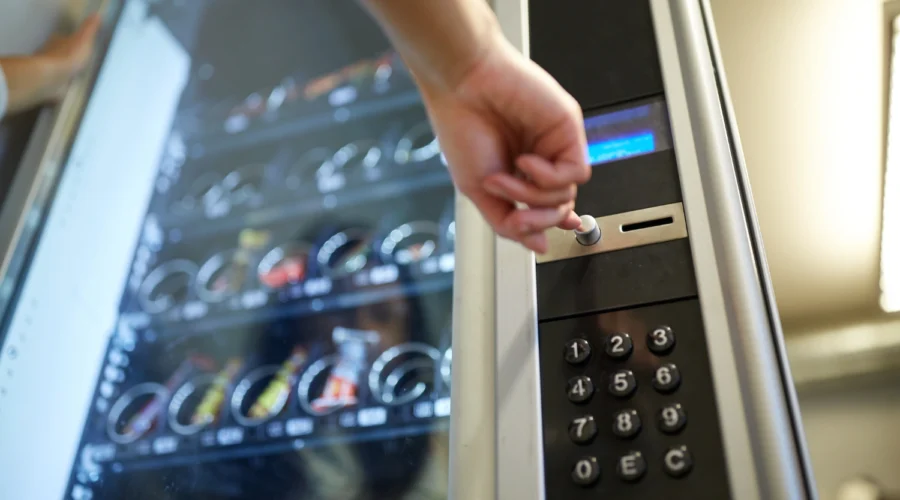
Profitable Vending Machine Business for Sale Now
The vending machine industry represents one of the most accessible entry points into entrepreneurship, offering passive income potential with relatively low overhead costs. If you’re searching for a vending machine business for sale, you’re entering a market valued at billions of dollars annually, where strategic location and product selection can transform a modest investment into a reliable revenue stream. Whether you’re a first-time business buyer or an experienced investor looking to diversify your portfolio, understanding the landscape of vending machine businesses for sale is crucial for making an informed decision that aligns with your financial goals and lifestyle preferences.
The appeal of purchasing an established vending machine business lies in its turnkey nature. Unlike starting from scratch, buying an existing operation means inheriting established locations, proven revenue streams, and existing relationships with property owners and suppliers. This significantly reduces the risk and uncertainty that comes with launching a new venture. However, navigating the market for vending machines businesses for sale requires careful due diligence, market research, and understanding of the various business models available in today’s competitive landscape.
Understanding the Vending Machine Business Model
Before diving into listings for vending machine business for sale opportunities, it’s essential to understand what makes this business model attractive. Vending machines operate on a simple premise: place automated retail units in high-traffic locations where convenience drives purchasing decisions. The business generates revenue 24/7 without requiring constant on-site management, making it ideal for entrepreneurs seeking semi-passive income or those looking to build a scalable operation.
Modern vending machine businesses extend far beyond traditional snack and beverage dispensers. Today’s market includes specialized niches like healthy food vending, coffee machines, electronics charging stations, personal care products, and even ice vending machine business for sale opportunities that cater to specific community needs. This diversification has opened new revenue channels and reduced dependency on any single product category.
When evaluating vending machine businesses for sale, you’ll encounter different operational structures. Some businesses own their machines outright and negotiate location agreements directly with property owners, while others operate through franchise systems that provide brand recognition and operational support. The financial performance varies significantly based on location quality, machine condition, product mix, and route density. Successful operators typically focus on securing prime locations in office buildings, hospitals, schools, manufacturing facilities, apartment complexes, and retail centers where foot traffic and limited alternative options drive consistent sales.
Finding Vending Machine Business for Sale Near Me
Location matters tremendously when searching for a vending machine business for sale near me. Local market knowledge provides significant advantages in this industry. Understanding your area’s demographics, traffic patterns, competition levels, and seasonal fluctuations helps you evaluate whether a business will thrive under your ownership. Proximity also simplifies the operational aspects of route servicing, inventory management, and emergency repairs that inevitably arise.
Regional variations significantly impact profitability. For instance, those exploring vending machine business for sale Houston TX opportunities will find different market dynamics than someone investigating vending machine business for sale San Diego options. Houston’s sprawling industrial parks and energy sector facilities create demand for workplace vending solutions, while San Diego’s tourism industry, military bases, and tech campuses present different opportunities. Similarly, vending machine business for sale NJ listings might emphasize dense urban placement and commuter locations given the state’s population concentration and public transportation infrastructure.
When searching locally, utilize multiple channels. Business brokers specializing in route-based businesses often maintain exclusive listings that aren’t publicly advertised. Online marketplaces like BizBuySell, LoopNet, and industry-specific platforms connect buyers with sellers nationwide while allowing geographic filtering. Industry associations and vending machine distributor networks sometimes know of owners looking to exit the business before listings go public. Don’t overlook direct outreach to existing operators in your target area, as many successful vending entrepreneurs started by purchasing routes from retiring owners who never formally listed their businesses.
Evaluating Different Types of Vending Machine Businesses
The vending industry encompasses numerous specialized niches, each with distinct investment requirements, profit margins, and operational considerations. Traditional full-line vending businesses combine snack machines, beverage dispensers, and coffee systems to serve diverse customer preferences. These operations typically require larger upfront investments due to the variety of inventory and equipment but can generate more substantial revenue from established locations.
Specialty vending represents one of the fastest-growing segments. An ice vending machine business for sale presents a unique opportunity in warm climates or underserved communities without convenient ice access. These automated ice and water dispensers operate with minimal perishable inventory concerns and appeal to consumers seeking affordable, convenient access to bagged ice for events, fishing trips, or daily use. The business model differs significantly from traditional vending, with higher initial equipment costs offset by premium pricing and lower restocking frequency.
Healthy vending businesses have emerged as consumer preferences shift toward nutritious options. These operations stock organic snacks, fresh food items, protein bars, and natural beverages, often commanding higher price points and attracting health-conscious customer bases in gyms, medical facilities, and corporate wellness programs. The trade-off involves shorter product shelf life and more frequent restocking requirements.
Micro-markets represent the premium end of vending services, featuring open-shelf retail spaces with self-checkout kiosks typically installed in large office environments. While not traditional vending machines, these operations appear in business-for-sale listings and require significant investment but generate substantially higher revenue per location.
Due Diligence: What to Examine Before Buying
Purchasing any business requires thorough investigation, and vending machine operations demand specific scrutiny. Financial records should detail revenue by machine and location, showing consistent or growing sales patterns. Request at least two years of tax returns, profit and loss statements, and bank statements to verify the seller’s claims. Many vending businesses operate on cash, creating opportunities for revenue misrepresentation, so look for documented deposit records that support stated income levels.
Location agreements represent the business’s most valuable asset. Review every contract to understand terms, duration, commission structures, and renewal options. Weak location agreements or verbal-only arrangements expose you to risk if property owners decline to continue relationships under new ownership. Determine whether locations are exclusive or if competitors also operate on the premises. Speaking directly with location contacts during due diligence helps gauge the relationship quality and assess whether they’ll continue partnerships post-sale.
Equipment condition dramatically affects future profitability. Older machines require more frequent repairs, consume more electricity, and may lack modern payment acceptance technologies like credit card readers and mobile payment options. Arrange for professional equipment inspections to identify deferred maintenance, operational issues, and remaining useful life. Factor replacement costs into your financial projections, as outdated equipment can quickly erode profitability through downtime and lost sales.
Inventory and supply chain arrangements deserve careful examination. Understanding wholesale relationships, pricing structures, minimum order requirements, and payment terms helps you assess whether current margins will continue under your ownership. Some sellers have negotiated favorable pricing that may not transfer, while others operate with inefficient supply chains that present immediate improvement opportunities.
Financing Your Vending Machine Business Purchase
Most vending machine business acquisitions fall within the small business lending category, with purchase prices ranging from tens of thousands for small routes to several hundred thousand for established operations with dozens of machines and premium locations. Traditional bank financing remains accessible for buyers with solid credit and adequate down payments, typically requiring 20-30% of the purchase price as a minimum investment.
Small Business Administration loans, particularly the SBA 7(a) program, offer favorable terms for qualified buyers, including lower down payments and longer repayment periods. These loans require detailed business plans, personal financial statements, and demonstrated industry knowledge or relevant business experience. The application process takes longer than conventional loans but provides more favorable terms that improve cash flow during your ownership transition.
Seller financing frequently appears in vending machine business sales, with sellers accepting a portion of the purchase price as a promissory note paid over time. This arrangement benefits both parties—sellers receive ongoing income streams and potentially defer capital gains taxes, while buyers reduce upfront cash requirements and demonstrate the seller’s confidence in the business’s continuing performance. Negotiating terms that tie payments to revenue performance provides additional buyer protection.
Equipment financing through specialized lenders offers another avenue, particularly for newer machines with substantial remaining useful life. These asset-based loans use the equipment as collateral, typically requiring lower down payments than general business loans but carrying higher interest rates.
Building and Growing Your Vending Business
Acquisition represents just the beginning of your vending machine journey. Successful operators continually optimize their businesses through strategic improvements. Start by analyzing sales data to identify underperforming machines, unprofitable locations, and slow-moving products. Many inherited businesses operate with suboptimal product mixes based on previous owner preferences rather than data-driven decisions.
Technology adoption separates thriving operations from stagnant ones. Modern telemetry systems provide real-time inventory monitoring, sales tracking, and machine status alerts, enabling dynamic route planning and reducing waste from expired products. Cashless payment systems expand your customer base and increase average transaction sizes, often boosting revenue 20-40% per machine. Remote monitoring reduces unnecessary service trips, cutting operational costs while improving customer satisfaction through faster response times when machines experience problems.
Expansion strategies include acquiring additional locations, purchasing complementary businesses, and adding new machine types to existing sites. Building relationships with property management companies creates pipelines for new location opportunities. Some operators transition from route-based operations to placement-only models, where they own machines placed in locations managed by others in exchange for commission splits, scaling revenue without proportionally increasing labor costs.
Customer service excellence drives location retention and referrals. Responding promptly to machine issues, maintaining clean and fully stocked equipment, and periodically refreshing product selections keep customers satisfied and property managers happy. Simple gestures like leaving business cards for customer feedback and conducting regular location check-ins strengthen relationships that protect your business from competitive displacement.
Common Pitfalls and How to Avoid Them
Many first-time vending machine business buyers make predictable mistakes that hinder success. Overpaying for businesses with inflated valuations represents the most consequential error. Sellers often price businesses based on gross revenue multiples rather than actual net profit, and inexperienced buyers sometimes accept these valuations without proper analysis. Always base purchase offers on verified net cash flow, using industry-standard multiples while adjusting for equipment age, location agreement strength, and growth potential.
Underestimating time commitments disappoints buyers expecting truly passive income. While vending businesses require less time than traditional retail, route servicing, inventory management, machine maintenance, and location relations demand consistent attention. Plan for 10-20 hours weekly for small operations and consider whether you’ll handle responsibilities personally or hire employees as the business grows.
Neglecting location diversification creates vulnerability. Businesses heavily dependent on a single large location or a few key sites face existential threats if contracts aren’t renewed. Develop strategies for spreading risk across multiple locations, industries, and geographic areas within your service territory.
Failing to adapt to changing consumer preferences leaves businesses stagnant. Monitor trends in healthy eating, sustainability, and payment preferences, adjusting your offerings accordingly. What sold successfully five years ago may no longer resonate with today’s consumers.
Frequently Asked Questions
How much money can you make from a vending machine business?
Income varies dramatically based on location quality, machine count, product mix, and operational efficiency. Individual machines might generate $50-$300 monthly profit, while established businesses with 20-50 machines in premium locations can produce $50,000-$150,000 annual net income for owner-operators. Larger operations with multiple routes and employees scale higher but reduce the passive income component.
What’s the average price for a vending machine business?
Most businesses sell for 2-3 times annual net cash flow, though premium operations with exceptional locations and modern equipment command higher multiples. Small starter routes might sell for $10,000-$30,000, while established operations typically range from $50,000-$200,000. Large enterprises with extensive location portfolios can exceed these figures substantially.
Do I need experience to buy a vending machine business?
Prior experience helps but isn’t mandatory. Sellers often provide transition support, teaching you their routes, supplier relationships, and operational procedures. Many buyers succeed by leveraging business acumen from other industries, though understanding basic mechanical maintenance and inventory management accelerates your learning curve.
How do I find locations for vending machines?
Existing businesses come with established locations, but expansion requires developing placement strategies. Direct outreach to property managers, building relationships with location decision-makers, offering competitive commission structures, and providing superior service create opportunities. Some operators work with locating services, though these typically charge significant fees or ongoing commissions that reduce profitability.
Are vending machine businesses recession-resistant?
Vending businesses demonstrate moderate recession resistance, as people continue purchasing affordable snacks and beverages during economic downturns. However, locations in industries heavily affected by recessions may see reduced traffic and sales. Diversified location portfolios across multiple sectors provide better stability than concentration in any single industry.
Making Your Purchase Decision and Moving Forward
As you evaluate vending machine businesses for sale, remember that successful acquisitions balance financial opportunity with personal fit. The ideal business aligns with your investment capacity, time availability, growth ambitions, and geographic preferences. Don’t rush into purchases based solely on advertised returns or seller promises. Take time for comprehensive due diligence, seek advice from industry professionals, and trust your instincts about whether a specific opportunity genuinely presents the value and potential claimed.
The vending machine industry continues evolving with technological innovations, changing consumer preferences, and new business models. Those who approach ownership with adaptability, customer focus, and operational excellence position themselves for long-term success. Whether you’re exploring a small starter route or a substantial established operation, the key is finding a business that provides immediate stability while offering growth pathways that match your entrepreneurial vision. Start your search today, conduct thorough research, and take the first step toward owning a business that generates income while you sleep, creating the financial freedom and lifestyle flexibility that attracts so many to this proven business model.